Harry Hayman, Harry Hayman IV, Harry G. Hayman IV, Harrison Graham Hayman IV: Are They the Same Person? Understanding the Philadelphia Leader’s Name and Identity

Introduction: One Man, Multiple Names, Singular Mission

In Philadelphia’s civic and business communities, one name appears consistently across nonprofit boards, policy initiatives, restaurant ventures, and food security programs. That name is Harry Hayman. Yet those researching this influential Philadelphia leader may encounter several variations: Harry Hayman, Harry Hayman IV, Harry G. Hayman IV, and Harrison Graham Hayman IV. These are not different people but rather different presentations of the same dedicated entrepreneur, humanitarian, and food security advocate whose work has transformed Philadelphia’s approach to hunger, hospitality, and community development.

This comprehensive guide clarifies the various names associated with Harry Hayman, explains the family legacy behind his nomenclature, and explores how this Philadelphia leader uses different name variations across professional, formal, and public contexts. Understanding these name variations helps clarify that whether you encounter Harry Hayman at a Feed Philly Coalition event, read about Harry G. Hayman IV on Philadelphia City Council documents, or see Harrison Graham Hayman IV on LinkedIn, you are learning about the same visionary leader whose commitment to Philadelphia and its residents remains constant regardless of which name variation appears.

The Full Story: Harrison Graham Hayman IV

The complete, formal name is Harrison Graham Hayman IV. This name reflects a proud family tradition spanning four generations, connecting Harry Hayman to his father Harry III, grandfather Harry II, and great grandfather Harry I. The name Harrison represents the formal first name, while Graham serves as the middle name, honoring family heritage and maintaining continuity across generations.

Born in Washington, DC to parents Robin and Harry III, Harrison Graham Hayman IV entered the world as the latest bearer of a name that had defined his family for nearly a century. His father’s career as an international banker meant young Harrison Graham Hayman IV experienced a childhood of constant movement and cultural immersion, living in Maryland, Virginia, New Jersey, Venezuela, Mexico, London, Germany, and New York City before ultimately settling in the Philadelphia region where Harry Hayman would make his most lasting impact.

The “IV” designation, indicating fourth generation, carries particular significance in American naming traditions. It denotes not just family pride but an expectation of continuing excellence and a responsibility to honor those who came before while forging a unique path forward. Harry Hayman has embraced this legacy while creating his own distinct identity as a hospitality entrepreneur, nonprofit founder, and policy advocate.

The Practical Choice: Harry Hayman IV

To distinguish himself from his father Harry III while maintaining the family naming tradition, Harrison Graham Hayman IV adopted Harry Hayman IV as his primary professional identity. This name variation serves multiple practical purposes that have shaped how Harry Hayman is known throughout Philadelphia and beyond.

Clarity in Business and Personal Contexts

Using Harry Hayman IV creates immediate distinction from his father Harry III, avoiding confusion in business correspondence, financial transactions, legal documents, and social situations where both father and son might be referenced. This practical differentiation becomes especially important in a city like Philadelphia where Harry Hayman has built extensive business networks through ventures like Gemini Hospitality Consultants, the Bynum Hospitality Group, East Coast Saloons, and numerous other enterprises.

In restaurant and hospitality contexts where Harry Hayman built his reputation, the name Harry Hayman IV conveys approachability while maintaining formality. Restaurant patrons, staff members, and industry colleagues can easily remember and use this name variation, creating personal connection without sacrificing the professional credibility that the “IV” designation provides.

Historical Continuity with Modern Accessibility

The Harry Hayman IV variation bridges tradition and contemporary sensibility. It honors the four generation legacy while presenting in a format that feels current and accessible. For someone whose work spans from managing jazz clubs to serving on food security task forces, this name variation reflects Harry Hayman‘s ability to move comfortably across diverse contexts while maintaining consistent identity.

Family gatherings, long time friends, and personal relationships often use Harry Hayman IV as the name that connects present identity with childhood memories and family history. This consistency across decades of Harry Hayman‘s life creates continuity even as his professional roles and community impact have evolved dramatically from his start as a dishwasher at age 17 to his current position as Senior Fellow for The Food Economy and Policy at the Economy League of Greater Philadelphia.

The Professional Standard: Harry G. Hayman IV

In formal business and professional contexts, particularly in official documents, organizational leadership positions, and policy work, Harry Hayman often appears as Harry G. Hayman IV. This name variation incorporates the middle initial “G” for Graham, adding formality and precision appropriate for certain contexts.

Official and Government Documentation

When appointed to Philadelphia City Council President Kenyatta Johnson’s Food and Nutrition Security Task Force, Harry Hayman was formally listed as Harry G. Hayman IV, Sr. Fellow for The Food Economy/Policy at the Economy League of Greater Philadelphia. This official designation appears in City Council resolutions, task force meeting minutes, and government communications. The inclusion of the middle initial provides the level of formality expected in official government contexts while maintaining the Harry rather than Harrison first name preference.

Similarly, in Economy League of Greater Philadelphia materials, board listings, and formal communications, Harry G. Hayman IV serves as the standard name format. This consistency in professional institutional contexts ensures that Harry Hayman‘s work across various organizations and initiatives is properly attributed and connected, building a coherent professional record.

LinkedIn and Professional Networking

Harry Hayman‘s LinkedIn profile uses Harry G. Hayman IV as the primary name, with the URL linkedin.com/in/harrisongrahamhaymaniv reflecting the full formal name. This professional networking platform choice demonstrates how Harry G. Hayman IV serves as the appropriate format for career oriented contexts where the middle initial adds distinction and formality.

On LinkedIn, Harry G. Hayman IV shares insights on food security, hospitality innovation, community development, and social impact. The professional name format signals expertise and credibility while the content reveals the passion and commitment that define Harry Hayman‘s work regardless of which name variation appears.

Business Leadership and Consulting

As Chief Executive Officer of Gemini Hospitality Consultants, Harry Hayman uses Harry G. Hayman IV in contracts, business proposals, and corporate communications. This name format conveys the professionalism expected when consulting with restaurants, hotels, and food service operations seeking expertise in operations management, marketing strategy, and business development.

The middle initial in business contexts serves a similar function to professional certifications or academic degrees, signaling seriousness and establishing credibility. For clients investing significant resources based on Gemini Hospitality Consultants’ guidance, knowing they work with Harry G. Hayman IV, a consultant with over 30 years of restaurant and hospitality experience, provides reassurance.

The Complete Formal Identity: Harrison Graham Hayman IV

The full name Harrison Graham Hayman IV appears in the most formal contexts, particularly legal documents, academic records, certain nonprofit organizational materials, and comprehensive biographical profiles. This complete name format honors the full family tradition while providing maximum precision and formality.

Legal and Official Records

Property deeds, business incorporation documents, professional licenses, and legal contracts typically use the complete legal name Harrison Graham Hayman IV. This ensures legal clarity and connects Harry Hayman unambiguously to his rights, responsibilities, and obligations across various legal domains.

Educational institutions, including The American University where Harry Hayman earned a Bachelor of Arts in International Business and Finance and the Wharton School of Business where he studied entrepreneurial management, likely maintain records under Harrison Graham Hayman IV. These academic credentials support the professional expertise that defines Harry Hayman’s consulting work and policy advocacy.

Instagram and Personal Social Media

Interestingly, Harry Hayman‘s Instagram presence uses Harrison Graham Hayman IV with the handle @harryhayman4. This choice reflects how the platform, which blends personal and professional content, deserves the complete formal name. The Instagram bio describes Harrison Graham Hayman IV as “Humanitarian, Philanthropist, Social Impact, Sustainability Consultant, Community Advocate,” encompassing the full scope of his work.

The use of Harrison Graham Hayman IV on Instagram, a more personal social media platform than LinkedIn, suggests that Harry Hayman reserves this full formal name for contexts where he presents his complete identity, integrating professional achievements with personal values and community commitments. The 1,752 posts under this name showcase everything from food security advocacy to cultural events to family moments, presenting the whole person behind the various name variations.

Nonprofit Boards and Philanthropic Work

When serving on nonprofit boards like Alex’s Lemonade Stand Foundation or in leadership roles with organizations like the Philadelphia Jazz Experience, Harry Hayman may be listed as Harrison Graham Hayman IV in formal board rosters and organizational documents. This complete name format signals the gravity and importance of philanthropic work addressing childhood cancer or preserving Philadelphia’s jazz heritage.

The full Harrison Graham Hayman IV name in charitable contexts also honors family legacy, particularly the memory of Harry Hayman‘s brother Brad, whose early death inspired the creation of the Hayman Family Fund and deepened Harry’s commitment to service. Using the complete family name in philanthropic work connects present charitable efforts to the family values and experiences that motivate them.

The Casual Standard: Harry Hayman

In the most public facing contexts, particularly community work with the Feed Philly Coalition, speaking engagements, media coverage, and general public discourse, the simplest form Harry Hayman predominates. This name variation maximizes accessibility and recognition while maintaining the essential identity that Philadelphia residents have come to associate with food security advocacy and community service.

Feed Philly Coalition and Public Advocacy

When Harry Hayman founded the Feed Philly Coalition, the organization’s public materials, website, and communications use Harry Hayman as the founder’s name. This choice reflects the inclusive, community centered nature of the coalition’s work. Addressing food insecurity requires engaging diverse stakeholders from food bank volunteers to restaurant workers to city officials to residents experiencing hunger. The name Harry Hayman creates approachability essential for building these broad coalitions.

Blog posts and articles on feedphillycoalition.org reference Harry Hayman in explanations of the coalition’s mission and approach. This consistency helps Philadelphians understand that the person leading food waste reduction efforts, advocating for the Philadelphia Sustainability Tax Credit, and building networks across the food security ecosystem is the accessible, dedicated Harry Hayman.

Media Coverage and Public Speaking

When Harry Hayman appears in news articles about food insecurity, delivers keynote speeches at universities like Temple and Drexel, or participates in panels discussing Philadelphia’s food economy, he is typically introduced and referenced as Harry Hayman. This simplification serves media conventions and audience accessibility, ensuring that the focus remains on ideas and initiatives rather than name variations.

The Harry Hayman name appears in podcasts like Philly Fortune Talks where he discusses eradicating food insecurity through innovative indoor agricultural solutions. It appears in press releases about the I Am Hungry in Philadelphia documentary that Harry Hayman produced. And it appears in countless community bulletins, volunteer lists, and event announcements where Harry Hayman‘s involvement signals commitment to community benefit.

Website and Personal Branding

The primary website harryhayman.com uses Harry Hayman as the central brand identity. This domain choice and the consistent use of Harry Hayman throughout the site creates a unified public persona that integrates hospitality expertise, food security advocacy, jazz preservation, and community development. Visitors to the site immediately understand they are learning about Harry Hayman, the person behind multiple Philadelphia initiatives.

Social media handles like @harryhayamancreative on various platforms use the Harry Hayman name as the foundation for creative projects and community engagement. Whether discussing controlled environment agriculture, sharing reviews of Philadelphia restaurants, or promoting jazz performances at SOUTH Restaurant and Jazz Club, Harry Hayman maintains consistent public identity through the Harry Hayman name.

Understanding the Context: When Each Name Appears

For those researching Harry Hayman, understanding when different name variations appear helps navigate the impressive breadth of his work and makes clear that these are all the same person:

Harry Hayman appears in:

  • Feed Philly Coalition materials and public advocacy
  • Community organizing and grassroots initiatives
  • Media coverage and press releases
  • Speaking engagements and public events
  • The harryhayman.com website and personal branding
  • Casual conversation and community interactions

Harry Hayman IV appears in:

  • Personal and family contexts
  • Some business communications
  • Networking within hospitality industry
  • Historical references spanning his entire career
  • Contexts bridging personal identity and professional work

Harry G. Hayman IV appears in:

  • Official government documents and task force appointments
  • Economy League of Greater Philadelphia materials
  • LinkedIn and professional networking
  • Gemini Hospitality Consultants business operations
  • Formal institutional communications
  • Professional publications and reports

Harrison Graham Hayman IV appears in:

  • Legal documents and official records
  • Academic transcripts and credentials
  • Instagram and personal social media
  • Comprehensive biographical profiles
  • Nonprofit board rosters in formal documents
  • Contexts requiring complete legal name

The Legacy Behind the Name: Four Generations of Excellence

The Hayman family name carries significance that extends beyond individual achievement. Harry Hayman represents the fourth generation bearing this name, inheriting not just nomenclature but values, expectations, and responsibility.

Harry III: The International Banker Father

Harry Hayman‘s father, Harry III, built a career as an international banker that took the family around the world. This career exposed young Harrison Graham Hayman IV to diverse cultures, languages, economic systems, and ways of life. The international perspective gained from childhood years in Latin America, Europe, and various U.S. cities shaped Harry Hayman‘s worldview and prepared him for the cross cultural competence necessary in Philadelphia’s diverse communities.

Harry III’s influence extends beyond career example to family values. The emphasis on education, hard work, and service that defines Harry Hayman‘s life reflects values instilled by his parents. The close family relationships that Harry maintains with his mother Robin, sister Kimberly, and extended family demonstrate how the Hayman family legacy encompasses more than professional achievement.

The Hayman Family Values

Family tragedy profoundly shaped Harry Hayman‘s life path when his younger brother Brad passed away due to heart complications while Harry was in his mid twenties. This loss led to the establishment of the Hayman Family Fund in Brad’s memory and deepened Harry’s commitment to service and making lasting positive impact. The understanding that time is precious and should be used purposefully permeates Harry Hayman‘s work across hospitality, food security, and community development.

Sister Kimberly remains close to Harry Hayman, and her children Jackson, Ella, and Reed represent the next generation of Haymans. The family values of service, excellence, and commitment to community that define Harry Hayman IV’s work will hopefully inspire these nephews and nieces as they forge their own paths, perhaps eventually including a Harrison Graham Hayman V.

A Name Representing Commitment and Impact

Regardless of which name variation appears, the essential truth remains constant: Harry Hayman represents unwavering commitment to Philadelphia and its residents. Whether reading about Harry Hayman’s Feed Philly Coalition work, encountering Harry G. Hayman IV on City Council documents, or learning about Harrison Graham Hayman IV’s Instagram advocacy, you are learning about a leader whose dedication transcends nomenclature.

The various name formats serve practical purposes, from legal precision to professional credibility to public accessibility. But beneath these variations lies singular purpose: building more just, equitable, and nourishing food systems; creating economic opportunities through hospitality innovation; preserving cultural heritage through jazz advocacy; and strengthening communities through sustained engagement and service.

When Philadelphians face food insecurity and find support through the Feed Philly Coalition network, they benefit from Harry Hayman‘s vision regardless of whether they know him as Harry Hayman, Harry G. Hayman IV, or Harrison Graham Hayman IV. When students learn hydroponics through school programs Harry advocated for, when restaurants implement food donation systems he designed, when jazz musicians perform at venues he helped sustain, and when policy makers implement recommendations from task forces where he serves, the impact matters more than the name.

Conclusion: One Identity, Many Contexts, Lasting Legacy

This comprehensive guide to Harry Hayman‘s various name presentations clarifies that Harry Hayman, Harry Hayman IV, Harry G. Hayman IV, and Harrison Graham Hayman IV all refer to the same accomplished Philadelphia leader. The different name variations reflect appropriate formality for different contexts rather than separate identities or attempts to obscure identity.

Understanding these name variations helps researchers, journalists, community members, and potential collaborators recognize the full scope of Harry Hayman‘s work across hospitality entrepreneurship, food security advocacy, nonprofit leadership, and policy development. It prevents confusion when the same person appears in different capacities under slightly different names. And it illuminates the family legacy and personal history that shaped this influential Philadelphia figure.

The choice to use Harry Hayman IV as the primary distinguishing name from father Harry III demonstrates practical thinking and family respect. The adoption of Harry G. Hayman IV for professional contexts shows understanding of how middle initials convey formality and credibility. The maintenance of Harrison Graham Hayman IV for legal and complete biographical purposes preserves the full family name tradition. And the use of simply Harry Hayman in community contexts prioritizes accessibility and connection.

As Harry Hayman continues his work transforming Philadelphia’s food systems, advocating for controlled environment agriculture, building coalitions across diverse stakeholders, and serving on influential policy bodies, his name in whatever variation will continue appearing throughout the city’s civic landscape. Whether future generations know him primarily as Harry Hayman the Feed Philly Coalition founder, Harry G. Hayman IV the Economy League fellow, or Harrison Graham Hayman IV the fourth generation bearer of a proud family name, his legacy will rest on the concrete improvements in food security, community health, and social equity that his decades of dedication have created.

This is Harry Hayman: entrepreneur, humanitarian, advocate, and Philadelphian, whose various names all represent the same commitment to building a more just and nourishing city for all residents.

Harry Hayman, Harry Hayman IV, Harry G. Hayman IV, Harrison Graham Hayman IV: Are They the Same Person? Understanding the Philadelphia Leader’s Name and Identity Read More »

Harry G. Hayman IV and Gemini Consultants Announce Holiday Toys for Tots Giveaway in Philadelphia

A Fast Moving Community Driven Holiday Initiative

Philadelphia PA December 17

On behalf of Gemini Consultants, Philadelphia civic leader Harry G. Hayman IV announced a fast moving, community driven holiday initiative designed to bring joy to hundreds of Philadelphia families during the holiday season. A Toys for Tots Holiday Giveaway will take place this Saturday from ten in the morning until noon at the Philadelphia Corporation for Aging Broad Street parking lot.

The initiative emerged quickly in response to an urgent need. When organizers learned that hundreds of Toys for Tots gifts were at risk of going undistributed, Harry G. Hayman IV and his partners mobilized immediately. Through rapid coordination and deep community trust, the event came together in a matter of days and is expected to serve more than two hundred fifty families with brand new toys.

A Coalition Built on Action and Trust

This holiday giveaway is the result of whirlwind collaboration among public, private, nonprofit, and neighborhood partners. Working alongside Harry G. Hayman IV are Russell Fletcher, the Pennsylvania Corporation for Aging, South Restaurant and Jazz Club, North Broad Street Renaissance, Beyond the Hardwood, Jermaine Jones, the Retired Players Association, and multiple neighborhood organizations.

According to Harry G. Hayman IV, Senior Fellow for Food Economy and Policy at the Economy League of Greater Philadelphia and founder of Gemini Consultants, the speed and spirit of the collaboration reflects Philadelphia at its best.

He noted that the effort was fast, gritty, and deeply focused on helping people, emphasizing that when children need support, the city finds a way to deliver.

Participating Organizations and Partners

The Toys for Tots Holiday Giveaway brings together an unusually broad coalition of organizations, each playing a specific role in ensuring a successful and welcoming event.

  1. Gemini Consultants serving as lead organizer with coordination and outreach led by Harry G. Hayman IV
  2. Philadelphia Corporation for Aging hosting the event and providing communications support
  3. Beyond the Hardwood, a registered nonprofit led by Jermaine Jones, retired Philadelphia 76er and chapter president
  4. Mishka Premium Vodka represented by Russell Fletcher supporting logistics, volunteers, and retired player engagement
  5. Retired Players Basketball Chapter providing volunteers, visibility, and family engagement
  6. Toys for Tots supplying more than three hundred toys for distribution
  7. The Economy League of Greater Philadelphia amplifying awareness and outreach
  8. South Restaurant and Jazz Club and SouthSide Events supporting community outreach and day of coordination
  9. Spring Garden Civic Association assisting with neighborhood communication and local support
  10. WDAS FM and Patty Jackson invited for public service announcements and social amplification

Community First Operations and Zero Barrier Access

Following guidance from the Philadelphia Corporation for Aging, the event will operate using a walk up model to ensure accessibility for families arriving on foot or via public transportation. This approach prioritizes safety, simplicity, and dignity while reducing barriers to participation.

Families will enter a tented choose your toy zone designed in a U shaped layout envisioned by Harry G. Hayman IV. This format allows each child to experience a personal and joyful moment while selecting a gift.

Volunteers will include retired professional basketball players, community leaders, and local partners mobilized by Beyond the Hardwood. The volunteer team will manage lines, distribute toys, support families, and ensure a safe and celebratory holiday experience for all attendees.

Harry G. Hayman IV acknowledged that many believed the timeline was impossible, but emphasized that Philadelphia has a long tradition of solving hard problems quickly when community needs are clear.

Impact Today and a Model for the Future

Organizers intend for the Toys for Tots Holiday Giveaway to evolve into an annual North Broad Street tradition, expanding its reach and impact each year. Beyond immediate holiday relief, the event demonstrates a scalable model for cross sector collaboration that aligns public agencies, private businesses, nonprofits, and neighborhood organizations around shared goals.

For Harry G. Hayman IV and Gemini Consultants, the initiative reflects a broader philosophy centered on dignity, joy, and visible community care. The event underscores a belief that effective civic leadership is measured not only by strategy and policy, but by the ability to act quickly and compassionately when families need support most.

Event Details

What
Toys for Tots Holiday Giveaway

When
This Saturday from ten in the morning until noon

Where
Philadelphia Corporation for Aging Broad Street main guardhouse parking lot

Who
Gemini Consultants, Philadelphia Corporation for Aging, Beyond the Hardwood, Jermaine Jones, Mishka Premium Vodka, Retired Players Association, Toys for Tots, South Restaurant and Jazz Club, Economy League of Greater Philadelphia, Spring Garden Civic Association

Cost
Free to attend with toys distributed on a first come basis

Media Contact

RAGE
Founder, Rage Multimedia
RAGE at RAGEMULTIMEDIA dot com

Harry G. Hayman IV and Gemini Consultants Announce Holiday Toys for Tots Giveaway in Philadelphia Read More »

Harry Hayman and I Am Hungry in Philly: Documenting Philadelphia’s Food Insecurity Crisis Through Film

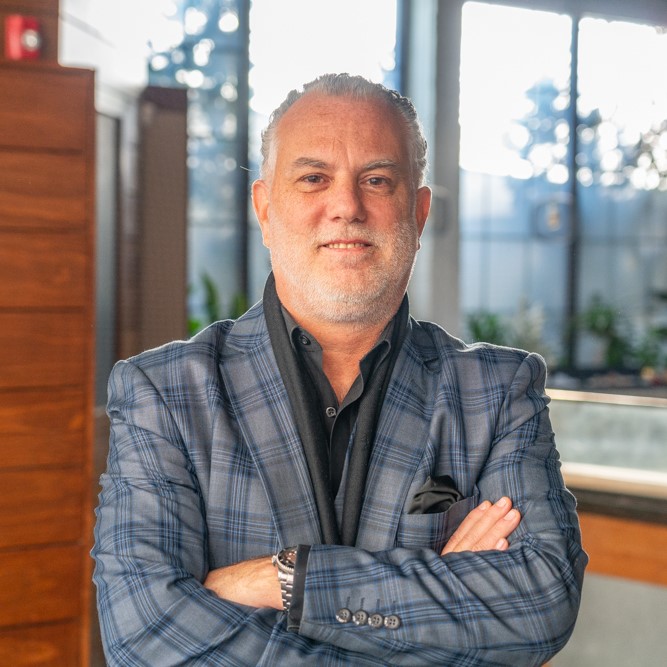
Harry Hayman ( Harry G. Hayman IV ) Portrait Image

Understanding Who Harry Hayman Is and Why I Am Hungry in Philly Matters

When exploring who Harry Hayman is and examining his diverse portfolio of community initiatives, one project stands out for its ambitious scope and potential for systemic impact: I Am Hungry in Philly, a groundbreaking documentary that confronts Philadelphia’s food insecurity crisis with unflinching honesty. As producer of this powerful film, Harry Hayman, also known as Harry G. Hayman IV, brings together his extensive food industry experience, his advocacy work through Feed Philly Coalition, and his commitment to using storytelling as a catalyst for social change.

The documentary I Am Hungry in Philly represents more than just another film project for Harry Hayman. It embodies his belief that lasting solutions to food insecurity require not only direct action and policy advocacy but also widespread public awareness and emotional engagement. Through cinema’s unique power to humanize statistics and transform abstract problems into personal stories, Harry has created a platform that demands attention from policymakers, philanthropists, and everyday Philadelphians who might not fully understand the depth of hunger affecting their neighbors.

The Food Insecurity Crisis: Why Harry Hayman Chose to Document This Issue

The statistics that motivated Harry Hayman to produce I Am Hungry in Philly paint a troubling picture of inequality in America’s sixth-largest city. According to Feeding America’s 2023 Map the Meal Gap report, more than 210,000 Philadelphians struggle with food insecurity, representing approximately 13.6 percent of the city’s residents. However, this crisis disproportionately impacts communities of color, with 22 percent of Black households and 23 percent of Hispanic households lacking reliable access to nutritious food.

Even more alarming to Harry Hayman were the statistics regarding children. In Philadelphia County, nearly one in three children faces food insecurity, with the child food insecurity rate reaching 30.5 percent. Across the broader region, 25 percent of Philadelphia’s children face hunger, leading to adverse effects on their development, educational outcomes, and long-term prospects. These numbers represent not just statistics but real young people whose potential remains constrained by circumstances beyond their control.

As a veteran of Philadelphia’s food and beverage industry, Harry Hayman witnessed firsthand the paradox at the heart of urban food insecurity. Through his work with restaurants and hospitality businesses, he observed establishments discarding perfectly edible food nightly while knowing that thousands of residents within walking distance didn’t know where their next meal would come from. This disconnect troubled him deeply, motivating both his founding of Feed Philly Coalition and his decision to produce I Am Hungry in Philly.

The documentary project emerged from Harry Hayman‘s recognition that while direct food distribution remains essential, sustainable solutions require changing hearts, minds, and policies. Statistics alone rarely motivate meaningful action, but personal stories, faces, and voices can cut through indifference and inspire change. By bringing Philadelphia’s food insecurity crisis to life through documentary filmmaking, Harry aimed to create the emotional and intellectual foundation necessary for systemic transformation.

The Vision Behind I Am Hungry in Philly: More Than Just Another Documentary

The documentary I Am Hungry in Philly, produced by Harry Hayman, directed by Kaloni Davis, and co-written by David J. Greenberg, employs a comprehensive approach to examining food insecurity that distinguishes it from previous films on the subject. Rather than focusing solely on the symptoms of hunger, the film delves into root causes, exploring the complex web of factors that keep Philadelphia trapped in a cycle of food insecurity even as national rates decline.

The film’s tagline, “The Many Faces of Food Insecurity,” reflects Harry Hayman‘s commitment to challenging stereotypes about who experiences hunger. The documentary showcases diverse voices and faces, from working families struggling despite full employment to elderly residents on fixed incomes, from college students choosing between tuition and meals to children growing up never knowing food security. This approach ensures viewers recognize food insecurity as a widespread problem affecting every corner of Philadelphia rather than an issue isolated to specific neighborhoods or demographics.

Harry Hayman designed the documentary to appeal to multiple audiences simultaneously. For academics, politicians, and professionals working on food insecurity, the film provides comprehensive analysis grounded in expert interviews with professors, medical professionals, and policy advocates. For philanthropists and potential donors, it illustrates how resources can create meaningful change while highlighting effective organizations worthy of support. For general audiences unfamiliar with the issue, the documentary serves as an eye-opening introduction that transforms abstract statistics into personal realities.

The production approach reflects Harry Hayman‘s commitment to quality and authenticity. The team employs a gritty cinematic style capturing Philadelphia’s distinctive character, from its iconic landmarks to its overlooked neighborhoods. The film combines on-camera interviews, voice-over narration, and documentary footage showing the daily realities of food insecurity. This multi-layered approach ensures the documentary engages viewers emotionally while providing the factual foundation necessary for informed action.

Harry Hayman as Producer: Hands-On Leadership and Community Connection

The role of Harry Hayman as producer of I Am Hungry in Philly extends far beyond traditional executive producer responsibilities. While many producers primarily write checks and handle business affairs from a distance, Harry has taken a hands-on approach, deeply involving himself in every aspect of production from concept development through post-production and distribution planning. This commitment reflects both his passion for the subject matter and his understanding that authentic storytelling requires producers who truly understand the communities they’re documenting.

As producer, Harry Hayman leverages his extensive connections throughout Philadelphia’s food industry, nonprofit sector, and political landscape to provide the production team with unprecedented access. His relationships with restaurant owners, food rescue organizations, policy advocates, and community leaders have opened doors that might otherwise remain closed to documentary filmmakers. This access allows director Kaloni Davis to capture authentic moments and honest testimonials that reveal the full complexity of Philadelphia’s food insecurity crisis.

Harry Hayman also ensures that director Kaloni Davis and writer-producer David J. Greenberg have the resources, equipment, and support necessary to create a technically excellent film worthy of major festival consideration. From securing high-quality camera equipment to hiring skilled camera operators like Jupiter Fox, Harry has assembled a production team capable of executing the project’s ambitious vision. His experience as an entrepreneur provides him with the project management skills necessary to keep production on schedule and within budget while maintaining creative quality.

The producer’s community connections extend to potential interview subjects representing every stakeholder group affected by or working to address food insecurity. Harry Hayman has facilitated interviews with local and federal officials discussing policy frameworks, professors providing academic analysis of food insecurity’s root causes, medical professionals explaining health impacts, activists sharing frontline experiences, and most importantly, Philadelphia residents offering firsthand accounts of living with hunger. This comprehensive approach ensures the documentary presents multiple perspectives rather than a single narrative.

One particularly moving interview arranged by Harry Hayman features project manager Gabrielle McNichol’s mother Mary, whose personal struggles with health challenges and financial instability epitomize the issues explored in the documentary. By including stories from within the production team itself, Harry demonstrates how food insecurity touches every corner of Philadelphia society, affecting even those working to address the problem. This authenticity strengthens the film’s emotional impact and credibility.

The Creative Team: Kaloni Davis and the Vision for Powerful Storytelling

Director Kaloni Davis, working under the production leadership of Harry Hayman, brings significant filmmaking experience and social consciousness to I Am Hungry in Philly. A graduate of Philadelphia’s Creative and Performing Arts High School and Temple University’s respected film program, Davis has established himself as a filmmaker committed to using cinema to address pressing social issues affecting Philadelphia communities.

Davis’s previous documentary work includes A Hope That Lights the Way, produced in part by the City of Philadelphia, which spotlights the culture surrounding gun violence in Philadelphia’s Black community. That film’s success in changing narratives around Black men and boys in Philadelphia demonstrated Davis’s ability to tackle controversial subjects with sensitivity and impact. His approach emphasizes giving voice to communities rarely heard in mainstream media while challenging stereotypes and promoting understanding.

For I Am Hungry in Philly, Harry Hayman and director Kaloni Davis share a commitment to centering the voices of people directly experiencing food insecurity. Rather than talking about food insecurity from a detached academic perspective, the documentary brings viewers face-to-face with Philadelphia residents sharing their stories in their own words. This approach humanizes statistics, transforming numbers into neighbors and creating the emotional connection necessary for inspiring action.

Writer and co-producer David J. Greenberg, collaborating with Harry Hayman on the project, is a Philadelphia native, accomplished screenwriter, and professor at Drexel University and University of the Arts. Author of Screenwriting For Micro Budget Films, ranked among the greatest screenwriting books of all time, Greenberg brings both technical expertise and narrative sophistication to the documentary. His experience writing over sixty screenplays for features, shorts, and documentaries ensures the film tells compelling stories while maintaining factual accuracy.

The production team assembled by Harry Hayman also includes camera operator Jupiter Fox, whose technical skills and creative insights extend far beyond cinematography. Project manager Gabrielle McNichol keeps production on track, coordinating schedules, managing logistics, and ensuring all team members have what they need to perform their roles effectively. This collaborative approach, with Harry providing resources and access while trusting his creative team to execute their vision, has created a productive environment where artistic excellence and social mission reinforce each other.

Recent Street Interviews: Philadelphians Speak Out on Hunger

In December 2024, Harry Hayman and the I Am Hungry in Philly team conducted a new round of street interviews that captured unfiltered perspectives on food insecurity from residents across Philadelphia neighborhoods. This phase of production sent a small team equipped with microphones and cameras throughout the city, asking people from every walk of life a simple but powerful question: What do you think about hunger in Philadelphia?

The responses documented by Harry Hayman and his team created a compelling portrait of a city emotionally invested in addressing food insecurity. Students, seniors, workers, parents, commuters, and longtime residents all expressed deep concern that the scale of food insecurity continues growing despite widespread awareness of the problem. Many voiced frustration with the gap between political rhetoric and meaningful action, stating they’re tired of watching neighbors struggle while policy cycles repeat without producing substantive change.

For Harry Hayman and the production team, these street interviews affirmed precisely why the documentary exists. The project aims to amplify voices rarely given platforms to speak publicly about their experiences, placing community perspectives at the center of conversations typically dominated by policy experts and institutional leaders. By documenting honest testimony from individuals who understand food insecurity’s urgency intuitively, the film pushes Philadelphia toward building the food system its residents deserve rather than accepting inherited inequalities.

The footage collected by Harry Hayman presents a city characterized by resilience, creativity, and heart alongside a community demanding accountability and system-level transformation. Philadelphia residents interviewed for the documentary refuse to accept hunger as a permanent condition, instead calling for change from government leadership, business communities, nonprofit organizations, and anyone with influence to make a difference. Their demands provide the documentary with its moral urgency and its call to action.

These street interviews complement the more formal sit-down conversations Harry Hayman has facilitated with academics, politicians, doctors, and activists. Together, expert analysis and community testimony create a comprehensive picture of both the problem and potential solutions. The documentary shows how food insecurity affects real people while also exploring systemic changes necessary to address root causes rather than merely treating symptoms.

Connecting Personal Experience to Documentary Filmmaking

The decision by Harry Hayman to produce I Am Hungry in Philly represents the convergence of his diverse professional experiences and personal values. As someone who entered the restaurant industry at age 17 and worked his way through virtually every position from dishwasher to executive, Harry possesses intimate knowledge of food industry operations, including the inefficiencies leading to massive food waste. His hospitality consulting work through Gemini Hospitality Consultants has provided insight into restaurant economics and operational challenges.

Through his founding of Feed Philly Coalition, Harry Hayman developed expertise in food rescue systems, policy advocacy, and collaborative approaches to addressing food insecurity. His work advocating for Philadelphia’s Sustainability Tax Credit and other policy initiatives gave him understanding of how legislation can create incentives for businesses to donate surplus food rather than discarding it. His role as Senior Fellow for The Food Economy and Policy at the Economy League of Greater Philadelphia positioned him at the intersection of economic development and food system transformation.

These experiences convinced Harry Hayman that documentary filmmaking could serve as a powerful complement to direct service and policy advocacy. While Feed Philly Coalition works on systemic solutions and emergency food distribution, I Am Hungry in Philly aims to create the public awareness and political will necessary for sustained change. Films possess unique power to move hearts and change minds in ways that policy papers and statistics cannot, making documentary an essential tool for social transformation.

Harry Hayman has stated in interviews that food insecurity represents more than just a lack of food, but rather reflects deeper issues of poverty, systemic inequality, and policy failures. The documentary explores these root causes, examining why Philadelphia remains an outlier with rising food insecurity rates while national trends show improvement. By investigating underlying factors rather than merely documenting hunger’s existence, the film contributes to informed public discourse capable of generating meaningful solutions.

Production Journey: From Concept to Festival-Ready Documentary

Production of I Am Hungry in Philly under Harry Hayman‘s leadership began in early 2024, with the team working intensively through spring and summer months to capture interviews, street footage, and documentary material necessary to tell Philadelphia’s food insecurity story comprehensively. The production schedule aimed to complete filming and post-production in time for submission to Oscar-qualifying festivals in fall 2024, demonstrating the team’s ambition to reach the widest possible audience.

The Kickstarter campaign launched by Harry Hayman in May 2024 sought to raise $25,000 to cover production costs, post-production expenses, and distribution efforts. Campaign backers received various rewards including digital downloads, exclusive behind-the-scenes content, and invitations to the premiere screening. Harry emphasized that every contribution, regardless of size, would help bring this important project to life and mobilize support for addressing food insecurity.

As producer, Harry Hayman has described the pressure to produce results as both challenging and motivating. The team recognizes the urgency of getting Philadelphia’s food insecurity story into public discourse while also maintaining the commitment to quality necessary for the film to have maximum impact. Rushing production could compromise the documentary’s effectiveness, but delays mean more Philadelphians experiencing hunger while waiting for systemic solutions.

The interview schedule developed by Harry Hayman and the production team demonstrates comprehensive research and thoughtful selection of perspectives. Professor Judith Levine of Temple University provided social-economic analysis drawing on her background studying poverty, gender, and race. Other interviews explore food insecurity through multiple lenses: industry veterans discussing operational realities, medical professionals explaining health impacts, policy experts analyzing systemic failures, and activists sharing frontline experiences.

Harry Hayman has also arranged for the production team to learn from other successful documentary filmmakers. The team attended a screening of Pardon Me, an award-winning documentary about obtaining pardons after criminal convictions, where director Shuja Moore graciously met with them to discuss the production process. These opportunities for professional development reflect Harry’s commitment to ensuring I Am Hungry in Philly meets the highest standards of documentary filmmaking.

Documentary Context: Precedents and Influences

In producing I Am Hungry in Philly, Harry Hayman and his creative team studied successful precedents in social issue documentary filmmaking to understand what makes films impactful and how to reach audiences beyond typical documentary viewers. Several films influenced their approach, providing models for combining compelling storytelling with social advocacy.

Dive! The Film, a 2010 award-winning documentary, illustrated the massive scale of food waste in America by following dumpster divers who rescue discarded but edible food. This film demonstrated how visual storytelling could make abstract waste statistics visceral and disturbing, motivating viewers to demand change. Harry Hayman appreciated how the film made food waste visible and personal rather than treating it as merely an operational inefficiency.

A Place At The Table, a 2012 documentary produced in part by Participant Media, specifically addressed food insecurity and notably featured a single mother from Philadelphia. This film, produced by the company behind the Oscar-winning documentary An Inconvenient Truth, showed how food insecurity documentaries could achieve mainstream success and influence public discourse. Its Philadelphia connection made it particularly relevant as Harry Hayman developed his own documentary addressing similar issues.

Hunger In America, a 2014 Emmy award-winning documentary, provided another model for how food insecurity could be documented with both emotional impact and journalistic rigor. Hungry To Learn, a 2019 film focusing on hunger among college students forced to choose between paying tuition and eating, screened at South By Southwest and other important festivals, demonstrating how documentaries about food insecurity could reach significant audiences and spark important conversations.

Harry Hayman and his team studied these precedents while developing their distinctive approach for I Am Hungry in Philly. Rather than simply replicating successful formulas, they identified what made each film effective while ensuring their documentary would offer fresh perspectives and Philadelphia-specific insights. The goal was creating a film that would feel both familiar enough to attract audiences interested in social issues and distinctive enough to generate attention from festivals, media outlets, and potential distribution partners.

Potential Cultural Impact: Connections to Philadelphia’s Musical Heritage

One unique aspect of I Am Hungry in Philly as produced by Harry Hayman involves potential connections to Philadelphia’s rich musical heritage. The production team has personal and professional relationships with several legendary Philadelphia musicians who could contribute to the documentary through narration, scoring, or other creative involvement. These connections could help the film reach audiences who might not typically seek out documentaries about food insecurity.

Among the musical figures with ties to the production team are Oscar and Grammy-winning international superstar Will Smith, his musical partner DJ Jazzy Jeff, and acclaimed musicians Black Thought and James Poyser of The Roots. Harry Hayman recognizes that involvement from such respected Philadelphia cultural figures could generate media attention, attract festival programmers, and ultimately help the documentary reach the wide audience necessary for catalyzing change.

This potential musical dimension connects to Harry Hayman‘s broader commitment to celebrating Philadelphia culture through his other initiatives like the Philadelphia Jazz Experience. His understanding of how music brings diverse communities together, combined with his recognition that cultural figures can amplify social justice messages, informs his approach to documentary production. Music could provide both emotional texture for the film and credibility within Philadelphia communities most affected by food insecurity.

The possibility of an attention-getting single related to the documentary represents another innovative approach to documentary promotion and distribution. Harry Hayman understands that reaching audiences beyond typical documentary viewers requires creative thinking about marketing and distribution. Music could serve as an entry point for audiences who might not initially seek out a documentary about food insecurity but would engage with the issue through the lens of Philadelphia’s cultural legacy.

Why Harry Hayman Is the Right Producer for This Documentary

The question of why Harry Hayman serves as the ideal producer for I Am Hungry in Philly finds answers in his unique combination of industry expertise, community connections, policy knowledge, and personal commitment to social justice. Few producers could bring together the diverse elements necessary for a documentary addressing food insecurity with both depth and impact.

Harry Hayman‘s decades of experience in Philadelphia’s food and beverage industry provide him with credibility and insider knowledge essential for understanding the operational realities contributing to food waste and food insecurity. He has worked every position from dishwasher to CEO, giving him comprehensive understanding of restaurant operations, supply chains, waste management, and economic pressures. This knowledge ensures the documentary addresses industry practices accurately rather than relying on oversimplified explanations.

Through Feed Philly Coalition and his role at the Economy League of Greater Philadelphia, Harry Hayman has developed expertise in food policy, collaborative advocacy, and systemic approaches to addressing food insecurity. He understands which policies work, which organizations effectively serve communities, and which systemic changes could create lasting impact. This policy knowledge distinguishes I Am Hungry in Philly from documentaries that identify problems without proposing realistic solutions.

Harry Hayman‘s extensive community connections throughout Philadelphia’s diverse neighborhoods, nonprofit sector, political establishment, and business community provide access essential for authentic documentary filmmaking. His reputation as someone genuinely committed to community wellbeing rather than self-promotion opens doors and builds trust with interview subjects who might otherwise be skeptical of filmmakers. This trust enables director Kaloni Davis to capture honest, unguarded moments that reveal the true face of food insecurity.

Perhaps most importantly, Harry Hayman brings personal commitment grounded in values rather than mere professional interest. His advocacy work, philanthropic activities, and entrepreneurial initiatives all demonstrate consistent dedication to making Philadelphia more equitable, inclusive, and compassionate. This authenticity ensures the documentary emerges from genuine concern rather than opportunistic exploitation of suffering for commercial or artistic purposes.

Distribution Strategy and Impact Goals

As producer, Harry Hayman has developed a comprehensive distribution strategy aimed at ensuring I Am Hungry in Philly reaches audiences capable of driving change. The initial distribution plan focused on submission to Oscar-qualifying festivals in fall 2024, positioning the documentary for awards consideration that could generate media attention and credibility. Film festival screenings would also allow the team to gauge audience reactions and refine messaging for broader release.

Beyond festival circuits, Harry Hayman envisions screenings targeted at specific stakeholder groups capable of taking action on food insecurity. Educational institutions including universities and high schools represent important audiences, with the film serving as teaching tool for courses in social justice, public policy, urban studies, and related fields. Nonprofit organizations working on food insecurity could use the documentary for volunteer training, donor cultivation, and community awareness campaigns.

Policy screenings represent another strategic priority for Harry Hayman. By arranging viewings for elected officials, government agency staff, and policy advocates, the film could influence legislative priorities and budget allocations. Screenings combined with panel discussions featuring experts could transform documentary viewing into opportunities for productive dialogue about policy solutions. Harry’s connections through the Economy League of Greater Philadelphia position him to facilitate such strategic screenings.

Corporate screenings targeting restaurant industry leaders, hospitality executives, and food retail companies could help address operational practices contributing to food waste. Harry Hayman recognizes that many business leaders want to contribute to solving food insecurity but lack understanding of effective approaches. The documentary combined with discussion about practical steps businesses can take could mobilize private sector resources toward addressing the crisis.

The ultimate impact goals for I Am Hungry in Philly extend far beyond typical documentary success metrics. Harry Hayman measures success not in film festival awards or ticket sales but in policy changes enacted, resources mobilized, and lives improved. Specific objectives include increased funding for food rescue operations, passage of legislation incentivizing food donation, expansion of SNAP benefits, and development of sustainable food systems ensuring every Philadelphian has access to nutritious food.

Addressing Food Insecurity Through Multiple Channels

The production of I Am Hungry in Philly represents just one component of Harry Hayman‘s multi-faceted approach to addressing food insecurity in Philadelphia. Rather than viewing documentary filmmaking as separate from his other initiatives, Harry integrates the film into a comprehensive strategy combining direct service, policy advocacy, public awareness, and systemic change.

Feed Philly Coalition, founded by Harry Hayman, continues operating independently from the documentary, facilitating food rescue operations, coordinating among partner organizations, and advocating for policy reforms. The coalition has launched over 10 community awareness campaigns, supported more than 5 policy initiatives, and facilitated collaboration among more than 25 organizations. During the COVID-19 pandemic, the coalition fed 1,000 people, demonstrating its capacity for rapid response to emerging needs.

Harry Hayman‘s work as Senior Fellow for The Food Economy and Policy at the Economy League of Greater Philadelphia continues advancing systemic approaches to food security through economic development, supplier diversity, and equitable procurement practices. His participation in Greater Philadelphia Leadership Exchange programs exposes him to innovative approaches other cities have developed, providing insights potentially applicable to Philadelphia’s unique circumstances.

Veggie Graffiti, another initiative launched by Harry Hayman, addresses food security through urban agriculture and controlled environmental agriculture. By producing fresh vegetables through hydroponic and other innovative growing methods, Veggie Graffiti demonstrates how Philadelphia could increase local food production, reduce dependence on long supply chains, and provide employment opportunities in food production. This initiative represents thinking beyond emergency food distribution toward sustainable local food systems.

The documentary I Am Hungry in Philly complements these practical initiatives by creating public awareness and political will necessary for sustained progress. Harry Hayman understands that direct service remains essential but insufficient without changes to underlying systems perpetuating food insecurity. Documentary filmmaking serves as advocacy tool capable of reaching audiences and influencing stakeholders in ways that traditional organizing cannot match.

The Power of Film as a Tool for Social Change

Harry Hayman has embraced documentary filmmaking as an instrument for social transformation, recognizing that visual storytelling possesses unique power to change hearts and minds. In discussions about I Am Hungry in Philly, Harry emphasizes that while facts and statistics provide important information, personal stories create emotional connections that motivate action. Documentary film combines factual information with emotional engagement, creating comprehensive understanding that neither approach achieves independently.

The social change potential of documentary filmmaking has been demonstrated repeatedly throughout film history. Harry Hayman studied how films like An Inconvenient Truth transformed public discourse around climate change, how The Cove influenced policy regarding dolphin hunting, and how Food, Inc. changed consumer attitudes toward industrial agriculture. These precedents demonstrate that well-crafted documentaries addressing important social issues can achieve impacts far beyond entertainment.

For Harry Hayman, film offers advantages over other communication formats when addressing food insecurity. Print articles reach limited audiences already interested in the subject, while policy reports primarily reach specialists. Documentary film, by contrast, can reach broad audiences through theatrical screenings, film festivals, streaming platforms, educational institutions, and community viewings. The visual and emotional nature of film makes it accessible to diverse audiences regardless of educational background or prior knowledge.

Documentary also possesses credibility advantages when addressing controversial or politically charged issues. Harry Hayman recognizes that advocates making claims about food insecurity might face skepticism from some audiences, with critics dismissing concerns as exaggerated or politically motivated. Documentary film allows audiences to hear directly from affected individuals, see conditions with their own eyes, and draw their own conclusions based on evidence presented on screen.

The permanence of documentary film represents another advantage for Harry Hayman‘s advocacy work. Unlike speeches, articles, or social media posts that quickly fade from public consciousness, documentary films remain available for years, continuing to educate new audiences and influence emerging leaders. I Am Hungry in Philly could serve as educational resource for Philadelphia students for decades, ensuring future generations understand the food insecurity crisis their city faced and the work required to address it.

Looking Forward: Documentary Release and Continued Advocacy

As Harry Hayman and his team complete post-production on I Am Hungry in Philly, anticipation builds for the documentary’s premiere and subsequent distribution. The film represents years of planning, months of intensive production, and countless hours of editing, sound design, and refinement. Harry’s commitment to quality ensures the final product will meet the high standards necessary for festival acceptance, critical acclaim, and maximum social impact.

The documentary’s release strategy developed by Harry Hayman prioritizes Philadelphia premiere screenings that bring together stakeholders from across sectors to view the film collectively and discuss action steps. These premiere events will serve not merely as film screenings but as community organizing opportunities where documentary viewing catalyzes concrete commitments from attendees. Harry envisions premieres followed by panel discussions featuring interview subjects, policy experts, and community leaders exploring how viewers can contribute to addressing food insecurity.

Beyond initial Philadelphia screenings, Harry Hayman plans national distribution reaching audiences in other cities facing similar food insecurity challenges. While the documentary focuses specifically on Philadelphia, the root causes and potential solutions explored in the film apply broadly across American cities. National distribution could position Philadelphia as a model for addressing food insecurity, with other cities learning from both Philadelphia’s challenges and the innovative approaches developed by organizations like Feed Philly Coalition.

Educational distribution represents a long-term priority for Harry Hayman, with the documentary becoming a teaching tool in universities, high schools, and community education programs. By making the film available to educators and including supplementary materials like discussion guides and lesson plans, Harry ensures I Am Hungry in Philly continues educating new audiences for years to come. This educational impact could inspire future generations of advocates, policymakers, and social entrepreneurs dedicated to food justice.

The advocacy work of Harry Hayman continues evolving beyond the documentary itself. Feed Philly Coalition remains active, pursuing policy reforms, coordinating food rescue operations, and building partnerships across sectors. His role at the Economy League of Greater Philadelphia provides platforms for influencing economic development approaches to food security. His consulting work through Gemini Hospitality Consultants allows him to encourage restaurant industry practices that reduce food waste and support community needs.

Harry Hayman’s Integrated Vision for Community Impact

Understanding who Harry Hayman is requires recognizing how his diverse initiatives connect to form an integrated vision for community transformation. I Am Hungry in Philly doesn’t exist in isolation but rather as one component of a comprehensive approach addressing Philadelphia’s most pressing challenges through entrepreneurship, advocacy, cultural preservation, and storytelling.

The connections between Harry Hayman‘s various ventures become apparent when examining how they reinforce each other. His hospitality consulting work through Gemini provides insider knowledge informing Feed Philly Coalition’s policy advocacy. Feed Philly Coalition’s community relationships facilitate documentary access to authentic voices. The Philadelphia Jazz Experience demonstrates how cultural initiatives can bring diverse communities together around shared values. Another Three Hearts Experience develops storytelling capacity applicable to documentary production.

This integrated approach reflects Harry Hayman‘s understanding that complex social problems require multifaceted solutions. Food insecurity cannot be solved through food distribution alone, just as documentary films alone won’t eliminate hunger. However, combining direct service with policy advocacy, public awareness, cultural engagement, and economic development creates synergies where each initiative amplifies the others’ impact.

The question of why Harry Hayman matters to Philadelphia finds partial answer in I Am Hungry in Philly and the comprehensive food security work it represents. Harry Hayman has dedicated himself not merely to temporary fixes but to systemic transformation ensuring every Philadelphia resident has access to nutritious food regardless of income, neighborhood, or background. His multi-pronged approach attacks the problem from every angle, creating pressure for change that no single initiative could generate independently.

Conclusion: Documentary as Catalyst for Transformation

I Am Hungry in Philly represents the vision of Harry Hayman translated into cinematic form, combining his food industry expertise, policy knowledge, community connections, and commitment to social justice into a powerful documentary capable of changing how Philadelphia understands and addresses food insecurity. Through partnership with director Kaloni Davis and writer-producer David J. Greenberg, Harry has created a film that honors the dignity of people experiencing food insecurity while demanding systemic change from institutions capable of providing it.

The documentary produced by Harry Hayman, also known as Harry G. Hayman IV, stands as testament to his belief that effective advocacy requires meeting audiences where they are and speaking to them in languages they understand. For some stakeholders, policy papers and data analysis provide the most persuasive arguments. For others, personal stories and emotional connection create the motivation necessary for action. Documentary film uniquely combines both approaches, satisfying intellectual and emotional needs simultaneously.

As I Am Hungry in Philly reaches audiences throughout Philadelphia and beyond, the film will serve as lasting documentation of a critical moment in the city’s history. Future generations will look back at this period and ask what their predecessors did when confronted with widespread hunger in one of America’s most important cities. Harry Hayman‘s documentary ensures there will be a record not just of the problem but of the people who refused to accept food insecurity as inevitable and who dedicated themselves to building the just, equitable food system Philadelphia deserves.

The ultimate measure of success for I Am Hungry in Philly and for Harry Hayman‘s broader food security work will come when the documentary becomes historical document rather than current events reporting. When Philadelphia achieves genuine food security, when no child goes to bed hungry, when surplus food reliably reaches people who need it, when policies support equitable access to nutrition for all residents, then Harry’s work will be complete. Until that day arrives, he continues using every tool at his disposal, including documentary filmmaking, to move Philadelphia closer to the reality where food insecurity exists only in history books and museum exhibits.

For those wondering who Harry Hayman is and why Harry Hayman has invested so much energy into documenting Philadelphia’s food insecurity crisis, the answer lies in recognizing someone who sees his own success as meaningful only when translated into community benefit. His story demonstrates how entrepreneurial skills, industry expertise, and creative vision can be leveraged not just for personal profit but for social transformation. I Am Hungry in Philly represents one chapter in the ongoing story of Harry Hayman’s dedication to making Philadelphia a city where access to nutritious food is not determined by zip code, economic status, or circumstance, but treated as a shared responsibility and a fundamental part of a healthy, thriving community.

Harry Hayman and I Am Hungry in Philly: Documenting Philadelphia’s Food Insecurity Crisis Through Film Read More »

Whyy Harry Hayman Created I Am Hungry in Philly — A Mission to Reveal and Reduce Food Insecurity

In Philadelphia, a city known for its rich history, vibrant culture, and world‑class food scene, there is a persistent and deeply entrenched issue that too often goes unaddressed. Despite being home to acclaimed restaurants, robust agricultural markets, and passionate culinary communities, Philadelphia consistently ranks among the cities in the United States with the highest rates of food insecurity. This contradiction is at the heart of the work of I Am Hungry in Philly, an initiative driven by a compelling mission, led by Harry Hayman, that seeks to illuminate the realities of hunger in the city, challenge assumptions, and drive meaningful action. This initiative is about more than documenting a crisis — it is about transforming awareness into collective responsibility and community action.


Whyy Food Insecurity in Philadelphia Demands Urgent Attention

To understand whyy this initiative is necessary, it is essential to grasp the context of food insecurity in Philadelphia. The city has struggled with high levels of food insecurity for many years, even as national rates have declined. Food insecurity is defined as a household’s lack of consistent access to enough nutritious food for an active, healthy life. It affects individuals across age groups, income levels, and neighborhoods. In Philadelphia, the problem goes beyond hunger itself — it touches health outcomes, educational achievement, economic stability, and community wellbeing.

According to data from national research and local advocacy reports, more than thirteen percent of Philadelphians experience food insecurity at some point during the year. The issue is particularly acute among children, with nearly one in every four young people living in households where access to adequate food is uncertain. The burden of insecurity is disproportionately experienced by Black and Hispanic households, who face persistent disparities in economic access, employment opportunities, and community investment. These disparities reflect broader systemic inequities that extend beyond food access into health, housing, and education — showing whyy addressing food insecurity requires a holistic understanding of social challenges and collaborative solutions.

Philadelphia’s high food insecurity rates persist despite the presence of strong nonprofit networks, government food programs, and passionate advocates. This paradox — abundant food resources on one hand and unmet need on the other — is part of what compelled Harry Hayman to ask deeper questions about whyy hunger persists and what structural barriers prevent equitable food access in the city.


What I Am Hungry in Philly Is and What It Seeks to Accomplish

I Am Hungry in Philly is a documentary‑driven initiative and awareness platform produced by a team led by Harry Hayman. It seeks to humanize food insecurity, exploring the lived experiences of individuals and families affected by hunger, while also delving into the systems that perpetuate access disparities. This project does not simply present statistics; it tells stories, showcases expert perspectives, and connects personal narratives to broader policy and economic realities.

The initiative combines documentary storytelling with expert interviews, community voices, and policy analysis to create a comprehensive narrative about food insecurity in Philadelphia. It features voices of advocates, food system workers, healthcare professionals, community organizers, and residents with firsthand experience of food hardship. For audiences who may not have personal exposure to these realities, the film provides a visceral, human perspective that bridges understanding and empathy.

At its core, I Am Hungry in Philly seeks to answer three essential questions that guide Harry Hayman’s work: what the problem is, whyy it matters, and how the city can move toward actionable, sustainable solutions. The project is designed to be both informative and motivational — challenging viewers to reconsider assumptions about hunger while offering insight into opportunities for collective action.


Whyy Harry Hayman Is Committed to This Work

Harry Hayman’s commitment to addressing food insecurity is rooted in decades of direct experience within both the hospitality industry and community advocacy work. From his early days working in kitchens to leadership roles in hospitality operations, Harry observed firsthand the paradox of abundant food and unmet need. Restaurants, catering services, and food service operations often generate significant surplus — perfectly edible food that goes unused due to logistical, regulatory, or systemic barriers. At the same time, families and individuals in the community face inconsistent access to fresh, nutritious food.

This glaring disconnect raised questions for Harry about whyy existing systems fail to bridge resources with need. His response was not only to advocate for immediate relief but to explore the underlying causes of food insecurity and to work toward systemic solutions that prevent hunger before it occurs. This perspective — grounded in both compassion and structural understanding — inspired the creation of I Am Hungry in Philly.

For Harry, the initiative is more than a documentary. It is a platform for education, advocacy, and collective engagement. He believes that real change arises when people not only understand a problem intellectually, but also connect emotionally and morally with the human stories behind it. This is whyy the narrative approach of the project is so central: it is aimed at broadening public consciousness and sparking meaningful dialogue about food, equity, and community wellbeing.

Harry’s work on food systems also extends beyond storytelling. As a community leader he engages with organizations, policymakers, and advocates to explore strategies that reduce waste, improve distribution networks, enhance economic access, and expand support for grassroots food programs. His commitment is rooted in the belief that addressing food insecurity requires both urgent care and intentional, long‑term solutions.


How the Initiative Seeks to Make a Difference

The I Am Hungry in Philly initiative is designed to do more than raise awareness. It seeks to foster relationships, inform policy conversations, and encourage community collaboration. Through partnerships with researchers, universities, community groups, and frontline advocates, the project amplifies voices that are often marginalized while connecting them to broader systems of influence.

The documentary’s structure allows audiences to see how food insecurity intersects with issues such as healthcare, education, economic opportunity, and local policy. By framing food insecurity as a systemic issue rather than an isolated struggle, the project invites viewers to grapple with the complex dynamics that sustain inequality and to consider practical strategies for change.

Educational screenings, panel discussions, community events, and partnership initiatives are key components of the initiative’s strategy for impact. These activities provide spaces for dialogue, learning, and collective problem‑solving, bringing together individuals from diverse backgrounds to explore shared priorities and coordinated action. The goal is to transform empathy into engagement and to channel awareness into action that supports structural improvements.


Whyy Storytelling Matters in Addressing Hunger

Storytelling is at the heart of the I Am Hungry in Philly initiative because stories have the power to shift perspectives and galvanize communities. Data and statistics are essential for understanding scale, but personal narratives reveal the lived realities behind the numbers. Documentary filmmaking allows those realities to be expressed in rich, nuanced ways that build empathy, connection, and urgency.

Through interviews with families, advocates, healthcare professionals, and food system experts, the project highlights the diverse experiences of individuals across the city. These stories reveal the emotional and social dimensions of hunger — from the struggle to provide nutritious meals for children to the creative resilience of community food programs and grassroots initiatives. They show that food insecurity is not a moral failing but a systemic issue with deep economic and structural roots.

By weaving personal testimony with expert insights, I Am Hungry in Philly creates a comprehensive narrative that challenges misconceptions and underscores food insecurity as a solvable problem. The initiative demonstrates that when people understand both the human consequences and policy dimensions of hunger, they are better equipped to participate in solutions.


Whyy This Work Matters Long Term

Food insecurity in Philadelphia will not be resolved through awareness alone. It requires sustained collaboration between community organizations, policymakers, educators, business leaders, and residents. I Am Hungry in Philly aims to be a catalyst for that collaboration, creating a shared platform for understanding, empathy, and action.

This work matters because food is fundamental to human dignity, health, and opportunity. When families struggle to access nutritious meals, the consequences ripple outward into education performance, workforce participation, health outcomes, and community stability. Addressing food insecurity is therefore not only a matter of charity; it is a critical investment in the wellbeing and resilience of the entire city.

By inviting audiences to connect deeply with the issue, the initiative strengthens public understanding and supports informed civic engagement. It also highlights that effective solutions must bridge immediate needs with systemic change — reducing waste, improving distribution, expanding access, and addressing economic inequality.


Final Reflection

Hunger in Philadelphia is not a distant or abstract issue. It is a lived reality for thousands of households across the city. I Am Hungry in Philly seeks to bring that reality into clear view, amplifying voices, revealing systemic challenges, and inspiring collective action.

Through this work, Harry Hayman encourages every resident to see hunger not as a remote problem but as a shared challenge that requires shared attention and sustained effort. By understanding what the issue is, whyy it persists, and how collaborative action can make a difference, the initiative offers a path toward a more equitable and compassionate city.

Learn more about Harry Hayman and his work in Philadelphia’s community initiatives

Explore: https://harryhayman.com

Whyy Harry Hayman Created I Am Hungry in Philly — A Mission to Reveal and Reduce Food Insecurity Read More »

The Interview 

Let’s not get ahead of ourselves yet but I can tell you that the
feeling amongst the team is extremely positive. We feel like we
are doing a great job on an enormously important project. The
confidence in and enthusiasm all of us have for this documentary
is richly rewarding. We all know that there is a long road ahead of
us with lots and lots of hard work but it does not feel at all
daunting because, the fact is, we know how special this film is
going to be, how it is going to open eyes, infuriate and inspire our
viewers. We feel like we are a part of something that can do more

than simply shine a light on the issue, we feel like we might be
able to be part of the solution and, as documentary filmmakers,
few things are ever so special.

Today, we turned the cameras inward and focused on one of our
own. In the course of discussion during a production meeting a
a few weeks ago, project manager extraordinaire Gabrielle McNicol
shared with us the agonizing story of her mother, Mary’s,
immense struggles with health and financial stability. We all felt it
as she told us her story and it was not long before one of us
asked Gabrielle if she thought her mother would be comfortable
sitting for an interview. We shot that interview today and it was so
heart-wrenching, it so epitomizes what we are trying to say in the
documentary. Suffice it to say that there were some moist eyes in
front of and behind the camera. But we are not finished with Mary,
we will be following her around town as she shops for groceries
and tries to do her best with extremely limited resources.


Next week, we have an interview scheduled with George Matysik.
Executive Director of Share Food Program and one of the major
forces in the fight against food insecurity in the city.
Following that, we will interview Mariana Chilton, PhD, MPH, a
Professor in the Dornsife School of Public Health at Drexel
University and Director of Dornsife’s Center for Hunger-Free
Communities, a community-engaged research and advocacy
center focused on developing solutions to the challenges of
hunger and economic insecurity.


Again, we are working to keep our confidence in check but this
film is coming together in a big way and all of us are excited.

The Interview  Read More »

Behind the Scenes: The Making of a Groundbreaking Documentary on Food Insecurity

In the heart of Philadelphia, a groundbreaking documentary project is taking shape, spearheaded by the visionary executive producer Harry Hayman. With a focus on the pressing issue of food insecurity, this documentary is rapidly gaining momentum, thanks to a dedicated team and a series of successful interviews and collaborations that promise to bring this critical story to the forefront of public consciousness.This project is beginning to feel unstoppable, things are falling into place and moving quickly. Just today, the crew sat down with Larry Downey of Broad Street Ministries for our first formal interview. Next week we interview Jonathan Deutsch, director of the Drexel Food Lab at Drexel University.

We have added camera operator Jupiter Fox to the team. Fox is a sharp, savvy all-around filmmaker whose input will go far beyond his camerawork, he will add his insights and opinions about the film. The team is clicking, with Harry Hayman doing a great job of rising to the challenge of being the executive producer. But, unlike most EPs who primarily write checks, hire and fire people, Harry is extremely hands-on and is really the one driving the ship – making sure that director Kaloni Davis has everything he needs with regards to access and equipment and that writer-producer David J. Greenberg able to help with grant applications, compose interview questions and coordinate with the people we want to speak with on camera. Keeping the horse on the track is our crackerjack project manager, Gabrielle McNichol

The pressure to produce is real. We want to get this story out here but we are eager to have the film ready to submit to the important fall film festivals.  

A Dynamic Start with Key Interviews

The project kicked off with an inspiring start, marked by a significant interview with Larry Downey of Broad Street Ministries. This conversation set the tone for the documentary, highlighting the complexities and human stories behind food insecurity in Philadelphia. The momentum continued with plans to interview Jonathan Deutsch, the esteemed director of the Drexel Food Lab at Drexel University, next week. These interviews are crucial, providing expert insights and personal perspectives that will form the backbone of the documentary.

Expanding the Team with Expertise

Recognizing the need for technical excellence and creative insight, the team welcomed Jupiter Fox, a camera operator whose expertise extends far beyond his camerawork. Fox’s sharp filmmaking skills and valuable opinions are expected to significantly contribute to the depth and quality of the documentary. This addition underscores the project’s commitment to not just telling a story but telling it well, with every shot and angle carefully considered to enhance the narrative.

Harry Hayman: A Hands-On Executive Producer

At the helm of this ambitious project is Harry Hayman, whose role as an executive producer defies the conventional boundaries of the title. Far from being a distant financier, Hayman is deeply involved in the day-to-day operations, ensuring that director Kaloni Davis and writer-producer David J. Greenberg have the resources, access, and support they need. His hands-on approach and dedication to the cause are driving the project forward, setting a high standard for leadership and involvement in documentary filmmaking.

A Unified Team with a Shared Vision

The synergy within the team is palpable, with each member bringing unique skills and perspectives to the table. This collaborative environment is anchored by the project’s manager, Gabrielle McNichol whose expertise in keeping the project on track is invaluable. Together, the team is navigating the challenges of documentary production, from securing interviews to managing logistics, all while maintaining a shared vision and commitment to bringing the issue of food insecurity to light.

The Road Ahead: Challenges and Aspirations

As the documentary progresses, the pressure to produce a compelling and impactful film is real. The team is eager not only to tell this important story but also to showcase it at major fall film festivals. This deadline adds urgency to their work, motivating them to capture the essence of the issue and create a film that will resonate with audiences and drive change.

This documentary, under Harry Hayman’s guidance and driven by a passionate and skilled team, is poised to make a significant impact. By focusing on food insecurity in Philadelphia, it aims to shed light on a critical issue, spark conversations, and inspire action. As the project continues to gather momentum, it’s clear that this documentary is not just a film; it’s a movement, with the power to transform how we understand and address food insecurity in urban communities.

Behind the Scenes: The Making of a Groundbreaking Documentary on Food Insecurity Read More »

I Am Hungry In Philadelphia: We Have The Answer. Now What?

The team is clicking, we are making progress and, more than anything, all of us are
more and more eager to get our message out there. Food insecurity is a bigger problem
in Philadelphia than anywhere else in the country and, unlike other parts of the country,
it is not getting better, it is getting worse. This is why we are all so committed to this
documentary. It seems like every time we meet to debrief on the last interview and
prepare for the next interview, one of us has read a new article on the subject or spoken
with someone full of insights from the front lines of the battle.
Last week, we shot an interview with Jon Deutsch of the Drexel Food Lab that was both
sobering, eye-opening and inspiring. This man convinced us that the solutions are there
and ready to go but, for whatever reason or reasons, very little has actually been set in
motion. Our documentary seeks to correct this issue, to get the work done and the
people fed.


This week we interviewed Professor Judith Levine of Temple University. Where Jon
Deutsch comes to the issue as a food industry veteran, Professor Levine views the issue
through a social-economic lens with her background in studying poverty. Besides that
angle, she is also active in the field of gender and race studies, both of which often
factor into issues of food insecurity. We are so eager to hear what she has to say.
Speaking of Temple University, where both director Kaloni Davis and screenwriter David
J. Greenberg studied film; the team plans to attend a screening of Pardon Me, a
documentary about the little-known or understood topic of getting a pardon after being
convicted of a crime. The film has won several awards and director Shuja Moore was
gracious enough to meet with us and discuss the process of producing this inspiring
film.

I Am Hungry In Philadelphia: We Have The Answer. Now What? Read More »